Monday, March 9, 2026
Home Blog Page 19

2.Who Sponsors Clinical Trials?

The National Heart, Lung, and Blood Institute (NHLBI) and other National Institutes of Health (NIH) Institutes and Centers sponsor clinical trials.

Many other groups, companies, and organizations also sponsor clinical trials. Examples include Government Agencies, such as the U.S. Departments of Defense and Veterans Affairs; private companies; universities; and nonprofit organizations.

NIH Institutes and Centers (including the NHLBI) usually sponsor trials that test principles or strategies. For example, one NHLBI study explored whether the benefits of lowering high blood pressure in the elderly outweighed the risks.

Other examples of clinical trials that test principles or strategies may include studies that:

  • Explore whether surgery or other medical treatments produce better results for certain illnesses or groups of people
  • Look at the best age and frequency for doing screening tests, such as mammography
  • Compare two or more screening tests to see which test produces the best results

Some companies and groups sponsor clinical trials that test the safety of products, such as medicines, and how well they work. The U.S. Food and Drug Administration (FDA) oversees these clinical trials. The NIH may partner with these companies or groups to help sponsor some trials.

All types of clinical trials contribute to medical knowledge and practice.

Thanks for installing the Bottom of every post plugin by Corey Salzano. Contact me if you need custom WordPress plugins or website design.

1.What Are Clinical Trials?

Clinical trials are research studies that explore whether a medical strategy, treatment, or device is safe and effective for humans. These studies also may show which medical approaches work best for certain illnesses or groups of people. Clinical trials produce the best data available for health care decisionmaking.

The purpose of clinical trials is research, so the studies follow strict scientific standards. These standards protect patients and help produce reliable study results.

Clinical trials are one of the final stages of a long and careful research process. The process often begins in a laboratory (lab), where scientists first develop and test new ideas.

If an approach seems promising, the next step may involve animal testing. This shows how the approach affects a living body, and whether it’s harmful. However, an approach that works well in the lab or animals doesn’t always work well in people. Thus, research in humans is needed.

For safety purposes, clinical trials start with small groups of patients to find out whether a new approach causes any harm. In later phases of clinical trials, researchers learn more about the new approach’s risks and benefits.

A clinical trial may find that a new strategy, treatment, or device:

  • Improves patient outcomes
  • Offers no benefit
  • Causes unexpected harm

All of these results are important because they advance medical knowledge and help improve patient care.

Thanks for installing the Bottom of every post plugin by Corey Salzano. Contact me if you need custom WordPress plugins or website design.
Signs and symptoms of hypothyroidism in an older person

0

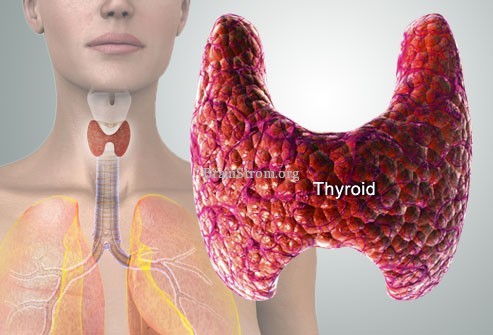
Some people over 60 with an underactive thyroid have few, if any, classic symptoms of hypothyroidism, while others do experience the same symptoms younger people do. Still others have symptoms that are not typical at all, making diagnosis even more difficult. Any of the following, alone or in combination, can be symptoms of hypothyroidism in older people.

  • Unexplained high cholesterol. High cholesterol is sometimes the only evidence of an under active thyroid in an older person, meaning the problem might be diagnosed as a cholesterol disorder rather than hypothyroidism. Because the sign may stand alone, high cholesterol warrants a thyroid evaluation.
  • Heart failure. Reduced blood volume, weaker contractions of the heart muscle, and a slower heart rate — all caused by low thyroid hormone levels — may contribute to heart failure, a serious condition that results from decreased blood flow to muscles and organs throughout the body. The ineffective pumping also causes blood to back up in the veins that return blood to the heart. Blood backs up all the way into the lungs, which causes them to become congested with fluid. Symptoms of heart failure include breathlessness, swelling in the ankles, weakness, and fatigue.
  • Bowel movement changes. An older person with hypothyroidism might have constipation because of decreased movement of stool through the bowels. Less commonly, an older person will have frequent bouts of diarrhea, which is more typically a symptom of hyperthyroidism. However, this is rare and should prompt investigation of other causes of diarrhea or malabsorption, such as celiac (also known as sprue), which is also common in patients with autoimmune thyroid disease.
  • Joint or muscle pain. Vague joint pain is a classic symptom of hypothyroidism. It sometimes is the only symptom of hypothyroidism in an older patient, although many experience an overall muscular aching, particularly in large muscle groups.
  • Psychiatric problems. As with younger people, clinical depression is common among older people with an underactive thyroid. The difference is that in older people it can be the only symptom. An older person could also develop psychosis and either exhibit delusional behavior or suffer from hallucinations.
  • Dementia. Debilitating memory loss — often, but not always, accompanied by depression or some kind of psychosis — can also occur as a lone symptom. If you or a loved one is being evaluated for dementia, be sure the doctor has assessed thyroid function.
  • Problems with balance. Abnormalities in the cerebellum at the back of the brain that occur in hypothyroidism may lead to walking problems in older people.

Thanks for installing the Bottom of every post plugin by Corey Salzano. Contact me if you need custom WordPress plugins or website design.
Microchip Implanted to Deliver Drug Shows Promise in Trial

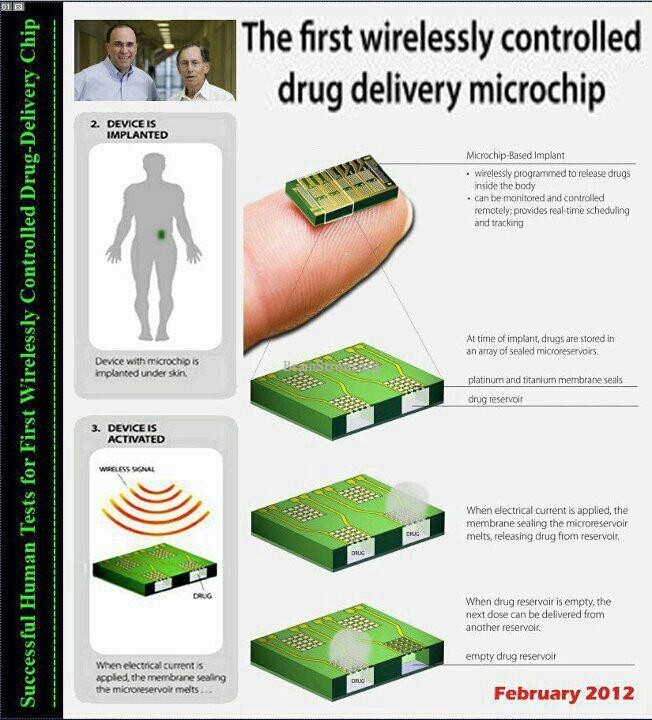
Scientists have conducted the first human trial of an implantable microchip-based drug delivery device, an assembly that releases precise doses of a drug through a wireless communication link and receives return messages confirming proper operation.

In cooperation with two commercial companies, scientists at Harvard, the Massachusetts Institute of Technology and Case Western Reserve University created a chip that holds measured doses of teriparatide (brand name Forteo), an injectable drug used to treat osteoporosis.

The cost of the drug delivered by the implant is about $10,000 to $12,000 a year, according Robert Farra, the lead author of an article describing the trial published on Thursday in the journal Science Translational Medicine. This is about the same as the cost of Forteo delivered by injection.

Dr. Ethel Siris, a professor of clinical medicine and director of the Osteoporosis Center at Columbia University Medical Center, said that Forteo was a very effective drug but difficult to administer, and that this kind of technology could prove useful.

“I can see many problems with the practical application,” she said. “But whether Forteo is the drug that’s going to get administered with this or some other kind of injectable, it’s pretty neat stuff.”

Approval of the device by the Food and Drug Administration is still some years away. The company plans to file for approval in 2014, Mr. Farra said, and even then at least two more years of clinical studies will be required before the device can be sold. Mr. Farra is president and chief executive of Microchips Inc., the company that is developing the device under license from M.I.T.

The chip is one-fiftieth of an inch thick and measures half an inch long by a fifth of an inch wide. It contains 10 cube-shaped reservoirs, 40 one-thousandths of an inch on each side. Each holds 600 nanoliters of a highly concentrated solution of the drug.

The side of the reservoirs that touches human tissue is covered with a metallic membrane, a composite of titanium and platinum, wired to internal electronics that provide a path for an electrical current. To deliver the drug, the membrane is melted.

The chip can be programmed to release the drugs on a schedule or activated by an operator using a computer when the patient is present. It uses the same frequency that all medical electronics use for communication.

Teriparatide is a particularly difficult drug to administer — daily injections are required — and this makes patient compliance an issue. The implanted chip may help eliminate the problem.

The assembly consists of two chips on the surface of a titanium housing that holds the electronics. The entire implant is about two and a quarter inches long and one and a half inches wide. For the trial, the researchers implanted the chips in seven women who had osteoporosis but were otherwise healthy.

Implanting the device is a fairly simple outpatient procedure. The patient, injected with a local anesthetic, gets a one-inch incision slightly below and to one side of the navel to create a pocket into which the device is fitted. The microchips are placed facing the muscle, and the entire device is sewn in place with two stitches. The incision is closed with a nylon suture.

The researchers waited eight weeks to allow the device to become stable in collagen tissue that the body develops in reaction to the foreign object. There was some question whether the drug could cross that fibrous membrane.

Then for the next month, they released up to 19 daily doses of the drug, either while the patient was under observation or automatically under the control of the programmed chip.

Blood tests showed that the drugs dispensed by microchip were as effective as ordinary injections in increasing bone mass and bone mineral density, and the individual automatic releases were slightly more consistent in quantity and effect than daily shots. There were no serious side effects.

Mr. Farra said that the trial “validates this approach to delivering drugs. It is safe and reliable. It assures compliance of the patient and improves outcomes.”

Thanks for installing the Bottom of every post plugin by Corey Salzano. Contact me if you need custom WordPress plugins or website design.

DNA Robots Helping Cancer Therapy

A study from Harvard University on Feb-16 revealed that Scientist have created a DNA robots that helps to find diseased cancerous cells in body. This robot DNA is also programmed to kill those cancer cells. Clamshell shaped folded DNA has programmed in Nano-size device. This device delivers immune system antibodies to leukemia and lymphoma cells that cause self-destruction of these cells. The detail report is also published in Journal.

This test was done on Lab level in a dish. Next step will be conducted on animals for locating cancer cells in body. The Nano-Robots DNA technology is not ready now for commercial application. The Mechanism of Robot DNA Nano-Device is based on immune cells attacking behaviour that recognized viruses and other invaders.

These robots are clamshell shape and held together with a “Joining line” similar as we construct and join sticky ends of DNA in recombinant DNA technology. The programmed modified DNA releases its grip when it recognized specific targets on a cell.If these devices find commercial application with better therapeutic and diagnostic index, it may also benefit people with autoimmune disease

Thanks for installing the Bottom of every post plugin by Corey Salzano. Contact me if you need custom WordPress plugins or website design.

Breast Cancer in Men

0
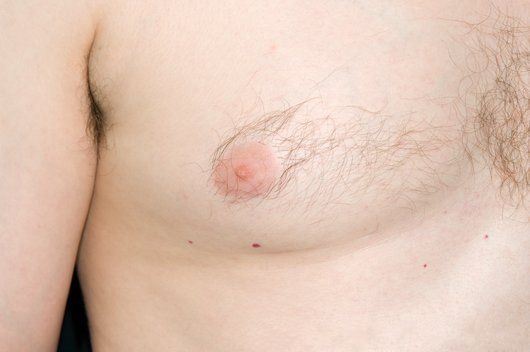
Even though men don’t have breasts like women, they do have a small amount of breast tissue. In fact, the “breasts” of an adult man are similar to the breasts of a girl before puberty, and consist of a few ducts surrounded by breast and other tissue. In girls, this tissue grows and develops in response to female hormones, but in men — who do not secrete the same amounts of these hormones — this tissue doesn’t develop.

However, because it is still breast tissue, men can develop breast cancer. In fact, men get the same types of breast cancers that women do, although cancers involving the milk producing and storing regions of the breast are rare. An estimated 2,190 cases of breast cancer will be diagnosed in men in 2012.

Why Don’t I Hear About Breast Cancer in Men as Much as I Hear About Breast Cancer in Women?

Breast cancer in men is uncommon. This is possibly due to their smaller amount of breast tissue and the fact that men produce less hormones such as estrogen that are known to affect breast cancers in women.

In fact, only about 1 in 100 breast cancers affect men and only about 10 men in a million will develop breast cancer.

Which Men Are More Likely to Get Breast Cancer?

It is rare for a man under age 35 to get breast cancer. The likelihood of a man developing breast cancer increases with age. Most male breast cancers are detected between the ages of 60 to 70 years. Other risk factors of male breast cancer include:

Family history of breast cancer in a close female relative.
History of radiation exposure of the chest.
An abnormal enlargement of breasts (called gynecomastia) in response to drug or hormone treatments, or even some infections and poisons.
A rare genetic condition called Klinefelter’s syndrome.
Severe liver disease.
Diseases of the testicles such as mumps orchites, a testicular injury, or an undescended testicle.

How Serious Is Breast Cancer in Men?

Doctors used to think that breast cancer in men was a more severe disease than it was in women, but it now seems that for comparably staged breast cancers, men and women have similar outcomes.

The major problem is that breast cancer in men is often diagnosed later than breast cancer in women. This may be because men are less likely to be suspicious of an abnormality in that area. In addition, their small amount of breast tissue is harder to feel — making it more difficult to catch these cancers early, and allowing tumors to spread more quickly to the surrounding tissues.

What Are the Symptoms of Breast Cancer in Men?

Symptoms of breast cancer in men are very similar to those in women. Most male breast cancers are diagnosed when a man discovers a lump on his chest. However, unlike women, men tend to go to the doctor with more severe symptoms that may include bleeding from the nipple and abnormalities in the skin above the cancer. At that point the cancer may have already spread to the lymph nodes.

From: WEBMD

Thanks for installing the Bottom of every post plugin by Corey Salzano. Contact me if you need custom WordPress plugins or website design.

Sperm fertilizing egg

0

Illustration of a human sperm fertilising an egg. The picture shows the size difference between the egg, or ovum, & the spermatozoon. Human spermatozoa are extremely elongated single cells about 65 micrometres long, divided into 3 main regions: a head, neck, & tail. The head, which contains the male nucleus, is about 7 micrometres long. Here, the head appears buried in the follicular cells, which form the corona radia that surrounds the ovum. Beneath the corona radiata is a glycoprotein membrane, the zona pellucida, which the sperm must penetrate to reach the female nucleus. This version on black background. Version on white background is P648 010.

Thanks for installing the Bottom of every post plugin by Corey Salzano. Contact me if you need custom WordPress plugins or website design.
Rheumatoid arthritis mechanism

0
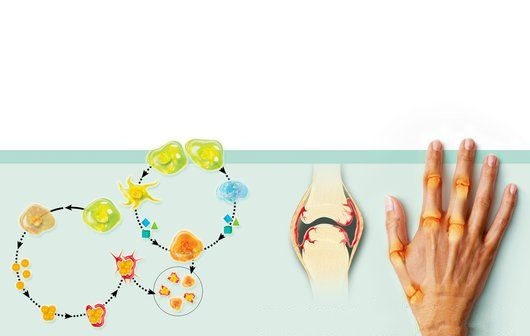
 Rheumatoid arthritis mechanism diagram

Rheumatoid arthritis mechanism. Artwork showing various aspects of rheumatoid arthritis, the inflammation of the joints due to attack by the body’s own immune system. At left, two sets of cellular mechanisms are shown, including B-cells (green), a plasma cell (brown), a macrophage (green, with protrusions), an osteoclast (orange) and a T-cell (blue), as well as various proteins and antibodies involved in the process. The cutaway artwork to the left of the hand shows the anatomy of a single knuckle joint, including the synovial membrane (red). The hand (far right) has the bone and joint anatomy superimposed on it, and shows swelling around the knuckles caused by the cellular processes outlined at left.

Thanks for installing the Bottom of every post plugin by Corey Salzano. Contact me if you need custom WordPress plugins or website design.

BedBug: Microscopic View

0
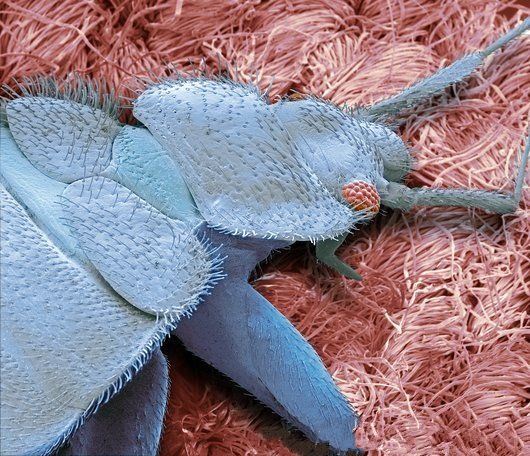
Bedbug. Coloured scanning electron micrograph (SEM) of a bedbug (Cimex sp.). Adult bedbugs’ bodies are flattened, oval, and wingless, with microscopic hairs that give them a banded appearance. They feed on the blood of warm-blood animals, including humans. Bedbugs are generally only active at night, hiding in crevices in walls and furniture and in bedding during the day. Although they do not transmit disease, their saliva can cause itchy swellings on the skin. Magnification: x15 when printed 10 centimetres wide.

Thanks for installing the Bottom of every post plugin by Corey Salzano. Contact me if you need custom WordPress plugins or website design.

A personal check for the detection of AIDS

0

240 thousand out of 1.2 million infected in America are unaware they are infected

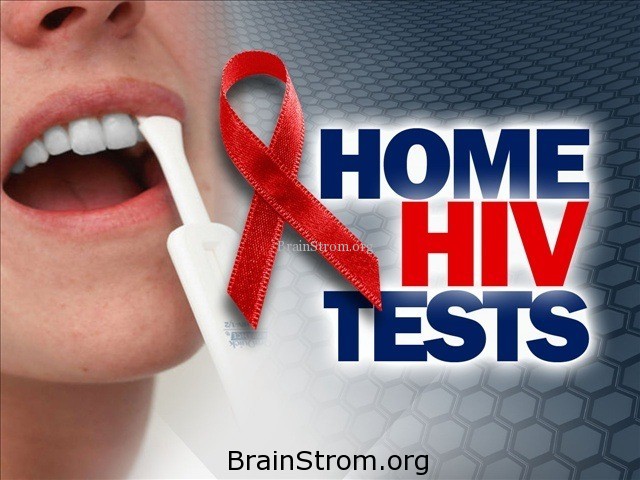
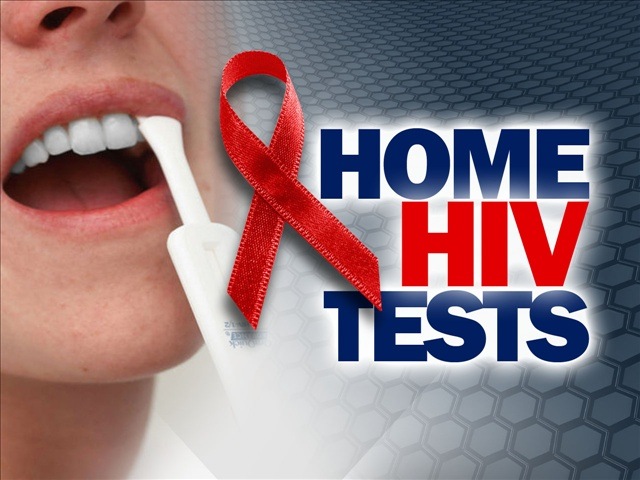
The United States Agency for Medicines (FDA) allowed for the first time the sale of test to detect HIV infection without any medical supervision.

The agency followed the recommendations of this advisory committee of 17 independent experts supported the May 15 put this test, known as “Quick said Laura – Home HEV” for sale without medical supervision.

Have shown a clinical trial conducted by the laboratory test that allowed detection of HIV infection in 92% of cases, slightly less than the 95% recommended by the “FDA”.

And allows examination of the person taking a sample of his saliva from the gum by a piece of cotton placed then in the tube should wait 20 to 40 minutes to get the result, the result was positive does not necessarily mean that the person is a positive serum, but index for additional tests in the medical center to confirm the result.

In contrast, the conclusive results were negative, this is not a guarantee that a person is infected, especially if he was wounded in the last three months made it clear on what “FDA” in its statement, however, that such inspection reveals that a large number of seropositive did not reveal injury of before, especially in vulnerable groups more than others, are not subject to the tests normally.

According to the Centers for Disease Control and Prevention said about 240 thousand people out of 1.2 million infected with AIDS in the United States are unaware they are infected with the disease, and that the examination on a regular basis is the most effective way to reduce new infections, up to the neighborhood of 50 thousand cases a year 20 years ago in the United States.

Thanks for installing the Bottom of every post plugin by Corey Salzano. Contact me if you need custom WordPress plugins or website design.

Lytic viral cycle

Picture from: SPL


Lytic viral cycle. Diagram showing the lytic cycle for viral reproduction. The example given here is for bacteriophages, viruses that infect bacteria. At upper left, a bacteriophage (yellow) attaches to the bacteria (blue oval) and injects viral DNA (deoxyribonucleic acid, red loop). At upper right, the host DNA (blue loop) and cell mechanisms are used to replicate the viral DNA and produce new bacteriophages that incorporate the copies of the viral DNA. At lower right, the destruction (lysis) of the bacterial cell releases the new viruses. Unlike the lysogenic cycle, the host cells are destroyed by the release of the new copies of the viruses.

Thanks for installing the Bottom of every post plugin by Corey Salzano. Contact me if you need custom WordPress plugins or website design.
Curb the HIV virus reduces the risk of transmitting the disease to another person

For the first time an international conference recommends treating all patients with the AIDS virus HIV antiviral drugs even when the impact of HIV on the immune system is weak.
Reason, also said the International Association for fighting viruses in America, is the emergence of evidence that leaving the patient with HIV without treatment can lead to a series of health problems, including diseases of the arteries and kidneys in addition to HIV infection, data also showed that curb HIV, reduce the risk of transmit the disease to someone else.
She said Melanie Thompson Altria Home Center AIDS Research in Atlanta, saying “We no longer focus only on the impact of the traditional HIV. We know that HIV destroys the body all the time, which leaves it without treatment or try to curb it,” She added that the recommendations universal but targeted mainly rich countries, which can cover the costs of these treatments. Have been published these guidelines in the Journal of the American Medical Association at the start of the Conference of the International AIDS Society in 2012 in Washington this week.
In addition to studies that show that treatment with antiviral drugs reduce the risk of transmission of HIV, there are experiments showed the protective effect granted by these drugs for people with high risk for the disease before they become infected already.
The approved treatment monitoring bodies in America this month to use the drug Truvada for adults is infected with the virus, but they face risks of infection with. Like the rest of the anti-viral drugs designed CD-Gilead to keep the virus that causes AIDS under control, to curb the virus multiplied in the blood.
He d. Powell Volperdenj Director, Center for Cancer Research at the University of California, San Francisco, that “these drugs have proven effectiveness and minimal adverse effects appear day after day, its benefits for people with viral infection significantly.”
The United Nations reports the injury of nearly 34 million people infected with “HEV” that causes AIDS, of whom 1.2 million live in America.
The WHO recommends that HIV-infected to begin with inhibitory treatments of the virus early, before the immune system begins to weaken.

Thanks for installing the Bottom of every post plugin by Corey Salzano. Contact me if you need custom WordPress plugins or website design.